
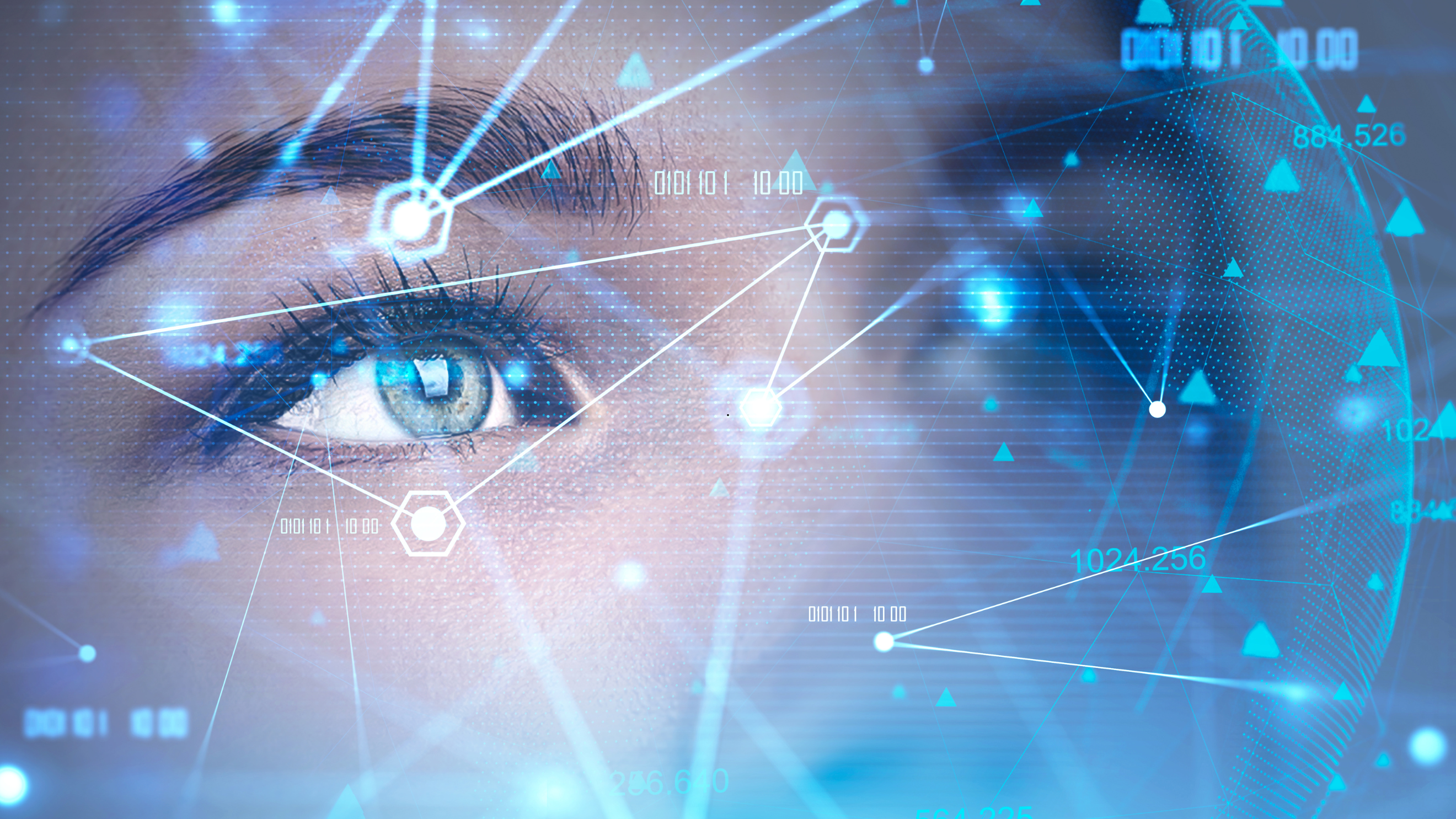
The dawn of living intelligence—the convergence of AI, advanced sensors, and biotechnology—isn’t just another technological shift.
For coaches across all disciplines, from executive and life coaching to athletic and wellness coaching, it represents a fundamental transformation of our profession. As someone deeply embedded in the coaching industry, I see this convergence creating not just challenges but unprecedented opportunities for those willing to evolve.
The New Coaching Ecosystem
Real-Time Insights Through Advanced Sensors
Imagine starting your coaching session already knowing your client’s stress levels, sleep quality, and cognitive state over the past week. Advanced biosensors and wearables will provide coaches with continuous streams of client data, enabling more precise and personalised interventions. A client’s smartwatch might alert their wellness coach about elevated cortisol levels during specific meetings, allowing for targeted stress management strategies.
AI-Enhanced Pattern Recognition
While coaches have always relied on their ability to spot patterns in client behaviour, Personal Large Action Models (PLAMs) will take this to another level. These systems will analyse vast amounts of client data to identify subtle patterns that human coaches might miss. For instance, an executive coach might receive insights about how their client’s decision-making quality correlates with their sleep patterns, meeting schedules, and social interactions.
Biotech-Driven Performance Optimisation
The integration of biotechnology will allow coaches to understand their clients at a molecular level. Athletic coaches might access real-time data about an athlete’s muscle recovery, hydration needs, and optimal training windows based on their unique genetic profile and current biological state.
The Evolution of Coaching Roles
From Information Provider to Integration Expert
Traditional coaching often involved sharing knowledge and best practices. In the living intelligence era, coaches will become integration experts, helping clients make sense of the vast amount of personalised data and AI-generated insights. The value won’t be in having information, but in knowing how to apply it meaningfully to human lives.
The Rise of Tech-Augmented Empathy
Rather than replacing emotional intelligence, living intelligence tools will enhance a coach’s ability to empathise and connect. Imagine having access to a client’s physiological responses during virtual coaching sessions, allowing you to adjust your approach in real-time based on their subtle emotional reactions.
Preventive Coaching Becomes the Norm
The predictive capabilities of living intelligence systems will shift coaching from reactive to preventive. Corporate coaches might receive alerts about team dynamics that could lead to future conflicts, allowing them to intervene before issues escalate. Health coaches might spot early warning signs of burnout weeks before their clients would notice symptoms.
New Coaching Specialisations
Data Integration Coach
A new breed of coaches will specialise in helping clients integrate and act on their personal data streams. These coaches will be experts at translating complex data insights into actionable behavioural changes.
Biometric Optimisation Coach
Specialists who understand both human psychology and the implications of biological data will help clients optimise their performance based on their unique physiological patterns.
AI-Human Partnership Coach
As Personal Large Action Models become more prevalent, coaches will help clients build healthy, productive relationships with their AI assistants, ensuring technology enhances rather than diminishes human agency.
Ethical Considerations and Challenges
Privacy and Boundaries
With access to unprecedented amounts of client data, coaches will need to develop new ethical frameworks for data handling and privacy protection. Clear boundaries about data access and usage will become crucial elements of coaching agreements.
The Human Element
While living intelligence offers powerful tools, the essential human elements of coaching—empathy, intuition, and wisdom—will become more valuable, not less. Successful coaches will be those who can balance technological insights with human understanding.
Digital Divide Awareness
Coaches will need to be mindful of the digital divide and ensure their tech-enhanced services don’t exclude clients with limited access to advanced technologies.
Preparing for the Future
Skills for Tomorrow’s Coaches
- Data literacy and interpretation
- Understanding of biometric and sensor technologies
- AI collaboration capabilities
- Enhanced privacy and ethics training
- Integration of multiple data streams into coaching frameworks
Building Trust in a High-Tech World
As coaching becomes more technology-driven, building and maintaining human trust becomes even more crucial. Coaches will need to master the art of using technology to enhance rather than replace human connection.
The era of living intelligence isn’t about replacing coaches—it’s about empowering them. By embracing these new technologies while maintaining our focus on human connection and growth, we can create coaching experiences that are more personalised, preventive, and powerful than ever before.
The future of coaching lies not in resisting technological change but in thoughtfully integrating it into our practice. Those who can balance the power of living intelligence with the irreplaceable human elements of coaching will define the next generation of coaching excellence.
Coaches have a unique opportunity to shape how these tools are used to enhance human potential. The question isn’t whether to adapt to this new era, but how to do so in ways that honour both the possibilities of technology and the essence of human development.


Leave a Reply