

A coaching perspective from Stephen Blades, Founder of Elephants in Main Street International
The most transformative technologies will fail without meaningful human engagement. This fundamental truth has become increasingly evident as organisations worldwide implement AI solutions in pursuit of sustainability goals. As we witness both the remarkable potential and concerning challenges of these implementations, coaches are uniquely positioned to address the critical human elements that determine success.
SEEING THE WHOLE PICTURE
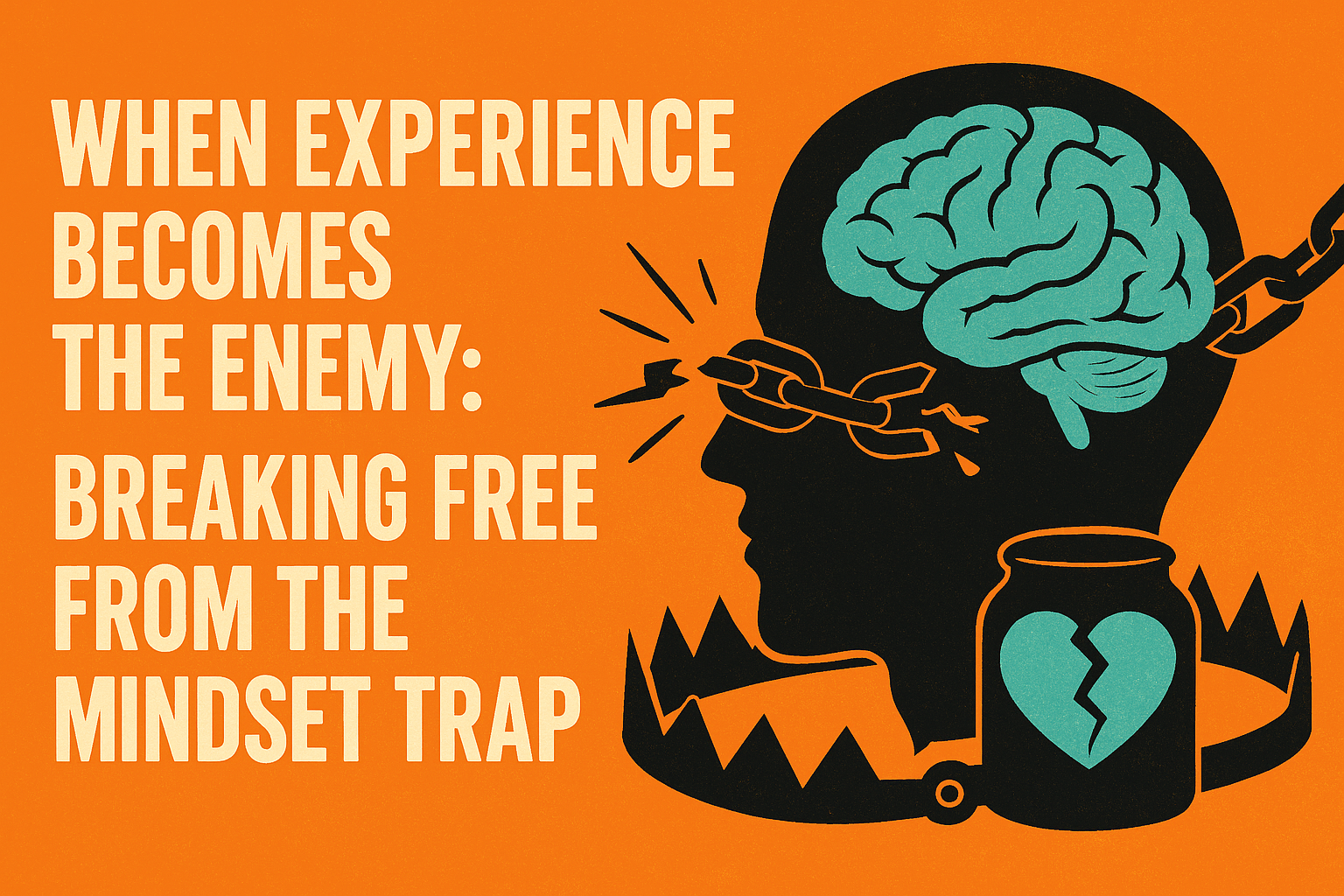
What strikes me most profoundly in my work with organisations is not just the efficiency improvements achieved through technological advancement, but the frequent disconnect between technical success and human experience. While organisations celebrate metrics showing reduced emissions and energy consumption, employees often report dissatisfaction with these same initiatives. This represents both our greatest challenge and our greatest opportunity as coaches. Time and again, we observe a familiar pattern: AI can deliver impressive sustainability benefits, yet these technological successes often come with significant human costs. Employees report feeling a “sense of insecurity” and “fear of possible job cuts,” along with a loss of process control that undermines their sense of safety and engagement. This is the elephant in the room that technical implementations routinely fail to address.
THE COACHING IMPERATIVE
As coaches working with leaders implementing sustainability initiatives, we must help them navigate three critical dimensions:
- The Integration Challenge AI’s impact varies dramatically across different organisational contexts. Some sectors show remarkable results with significant emission reductions, while others demonstrate more modest gains. What consistently differentiates successful implementations is not just the technology itself, but how well it integrates with existing human systems. Our role as coaches is to help leaders conduct thorough assessments before implementation—not just of technical compatibility, but of cultural readiness and human impacts. When coaching leaders through these initiatives, I invite them to ask: “How will this technology change the lived experience of work for those using it daily?” This question alone can transform implementation success rates.
- The Employee Experience Gap – A striking pattern emerges in nearly every implementation: whilst managers and customers often express satisfaction with AI implementations, employees consistently report dissatisfaction. They experience uncertainty about changing work practices, concerns about their value, and fears about job security. As coaches, we must help leaders recognise this gap as more than resistance to be overcome—it represents valuable intelligence about implementation approaches that will ultimately determine success or failure. I guide leaders to create processes where employees become co-creators rather than recipients of change, addressing not just the technical workflow but the psychological experience of work itself.
The Business Integration Opportunity
AI-driven sustainability creates multiple dimensions of business value—improved lead times, moderate enhancements in product quality and cost, and decreased operational risks. Yet organisations often struggle to tell a coherent story that connects these various benefits. Our coaching opportunity lies in helping leaders articulate an integrated value narrative that connects sustainability with core business performance. The story isn’t about trade-offs but about alignment. Through powerful questioning, we can help leaders develop metrics that simultaneously track environmental, business, and human impacts.
A PATH FORWARD
The future of sustainability doesn’t belong to technology alone, nor to human systems operating without technological support. It belongs to integrated approaches that harness the unique capabilities of both. As coaches, we stand at this critical intersection. We help leaders develop the emotional intelligence to recognise and respond to employee concerns. We create reflective spaces where executives can explore their own relationship to technological change. And we facilitate conversations across organisational boundaries, ensuring sustainability initiatives engage the full ecosystem of stakeholders.
The elephant that often goes unnamed in technical implementations is the human experience of change. By naming this reality compassionately and exploring it thoroughly, we help leaders develop sustainability approaches that endure and transform. AI can indeed drive meaningful sustainability improvements—from improved energy efficiency to significant emissions reductions and decreased operational risks. But these technologies must be implemented with deep attention to the human experience. As coaches, we hold the perspective needed to help leaders navigate this complex terrain with wisdom and care. With hope for our collective future,
Stephen Blades Founder, Elephants in Main Street International


Leave a Reply