

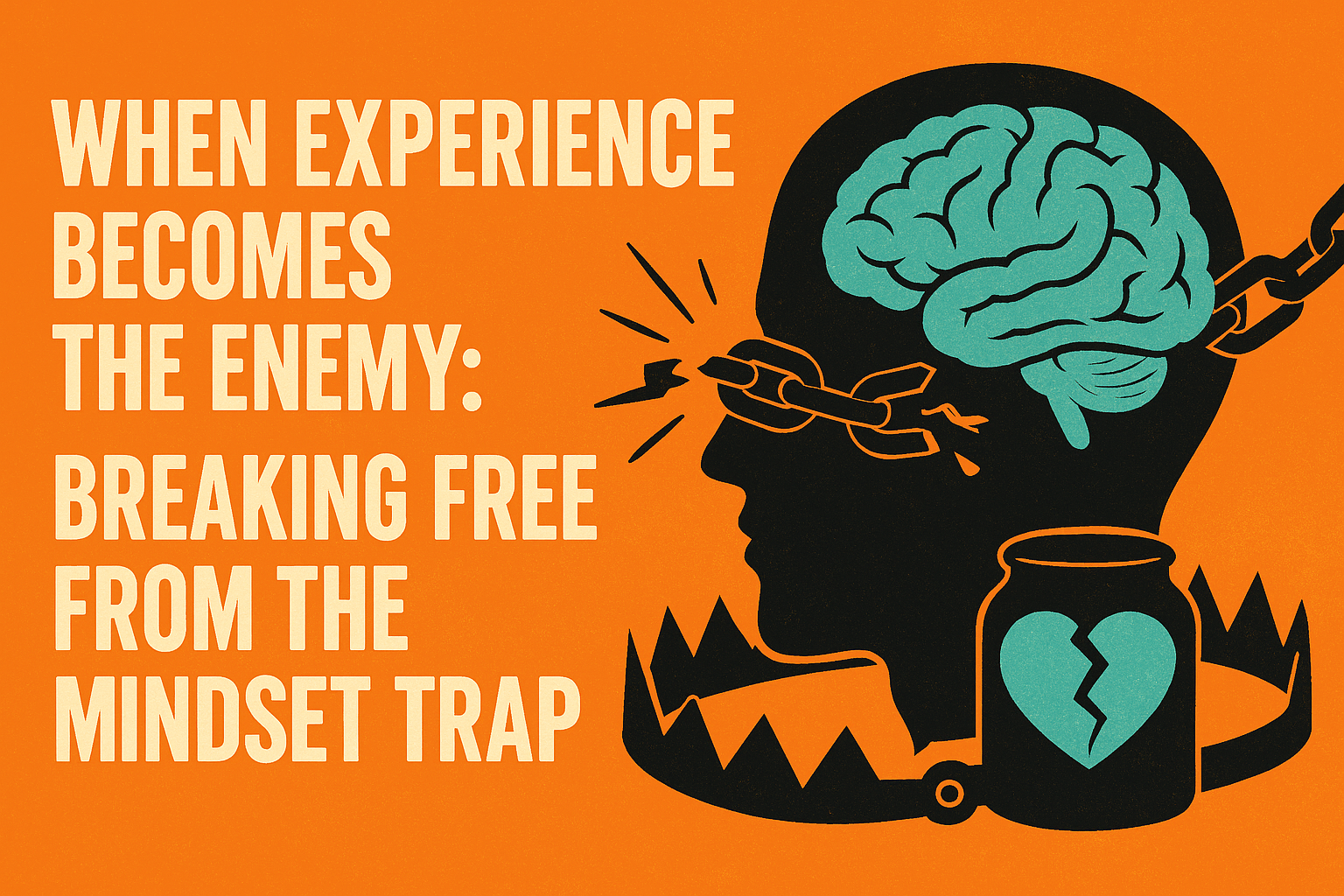
As an executive coach, I’ve observed that many professionals become entrenched in daily operations, struggling to elevate their perspective to a strategic level. A common culprit behind this challenge is cognitive inertia—the tendency to cling to established thought patterns and resist change, even when new information or evolving circumstances call for a different approach. This mental rigidity can impede strategic thinking and, consequently, stall career progression.
Cognitive inertia manifests as a reluctance to deviate from familiar processes and a preference for the status quo. In the workplace, this can lead to an over-reliance on past successes and a hesitation to embrace innovative ideas or adapt to changing market conditions. For instance, a manager who consistently applies the same strategies without considering emerging trends may find their approach becoming obsolete.
Strategic thinking requires analysing complex situations, anticipating future challenges, and making decisions that align with long-term objectives. Cognitive inertia can obstruct this process by limiting one’s ability to consider alternative perspectives or adapt to evolving environments. This rigidity often results in missed opportunities and a lack of innovation, as individuals become confined to their habitual ways of thinking.
In many organisations, promotions are awarded to individuals who demonstrate strategic insight and the ability to drive growth. If cognitive inertia prevents you from operating strategically, it can result in missed opportunities and perceived stagnation. Without strategic thinking, your ability to influence decision-making processes and drive change within the organisation may be diminished.
How Coaching Can Help?
Coaching plays a pivotal role in overcoming cognitive inertia by fostering self-awareness, challenging entrenched thought patterns, and promoting adaptive thinking. Here’s how coaching facilitates this transformation:
- Enhancing Self-Awareness
- Challenging Assumptions
- Developing Strategic Thinking Skills
- Encouraging Behavioural Change
The length of coaching engagements varies based on individual needs and goals. Typically, engagements last between 6 to 12 months, with sessions occurring every 2 to 4 weeks. Some organisations opt for shorter, more intensive programmes of 3 to 6 months, while others prefer longer-term engagements of 18 to 24 months. It’s important to note that the duration can be adjusted based on the complexity of the challenges and the desired outcomes. Regular supervision throughout the coaching process ensures that the engagement remains aligned with the client’s evolving needs.
By actively addressing cognitive inertia, you can enhance your strategic thinking abilities, making you a more valuable asset to your organisation and increasing your prospects for career advancement. Visit http://www.elephantsinmainstreet.com to find out more.



Leave a Reply